The Terroir Path
A journey through Puglia's harvest traditions and artisan culture
Walk into the harvest of Italy's oldest groves— and work alongside the people who keep them.
For one week in Puglia, you join the rhythm of olive pickers, stone-mill bakers, and shepherds whose families have made the same food in the same way for generations. Not a tasting tour. A working week with the people behind the produce.
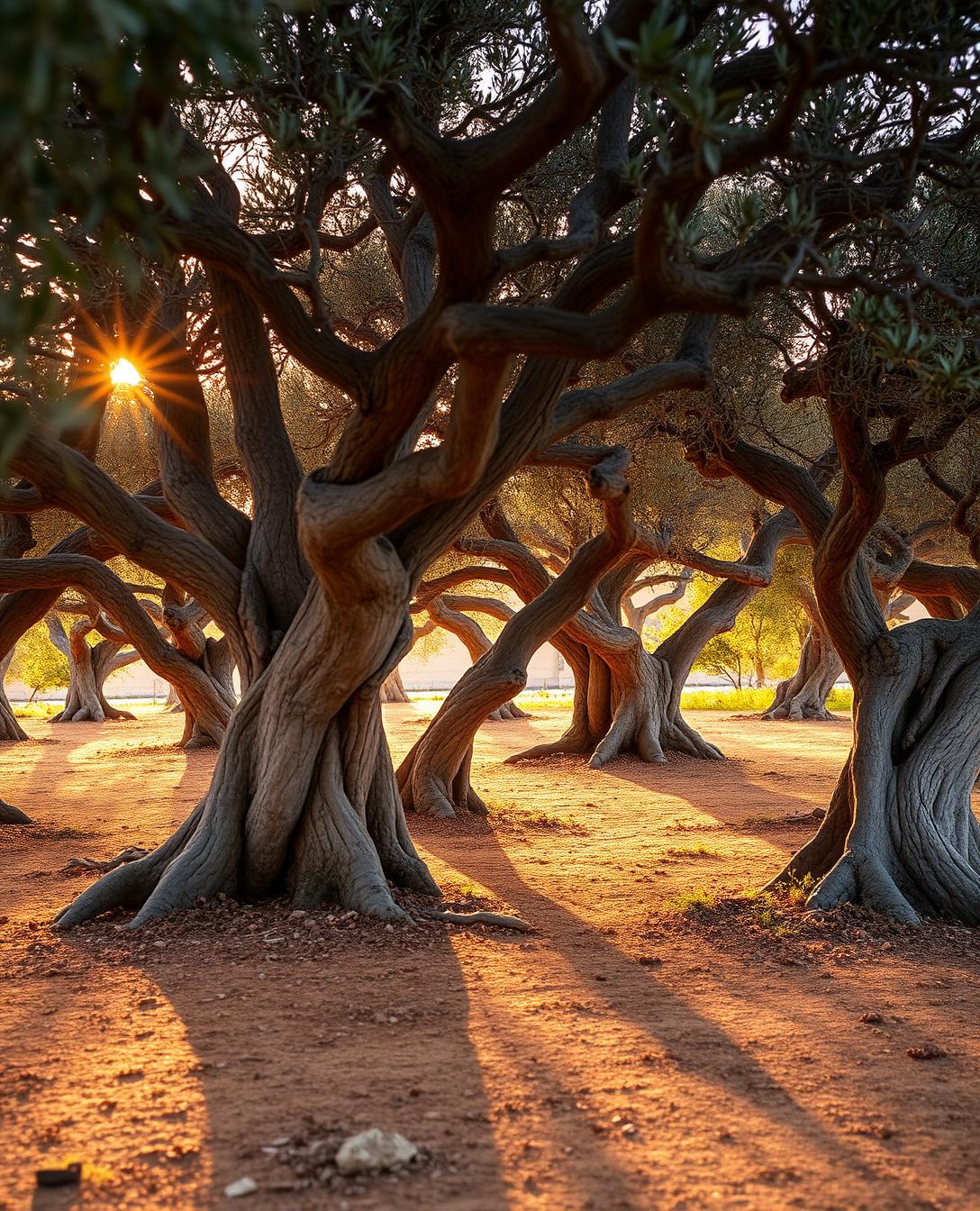
"The trees were old before the country had a name."
Food has a geography.
This is where it comes from.
Puglia produces nearly half of Italy's olive oil and some of its most singular bread, cheese, and wine. The Terroir Path follows those things back to the hands that make them — into the groves at harvest, the bakeries before dawn, the dairies tucked inside Byzantine stone.
You don't watch from a balcony. You pick, knead, stir, and pour. The week is structured around the calendar of the land, not the calendar of tourism.
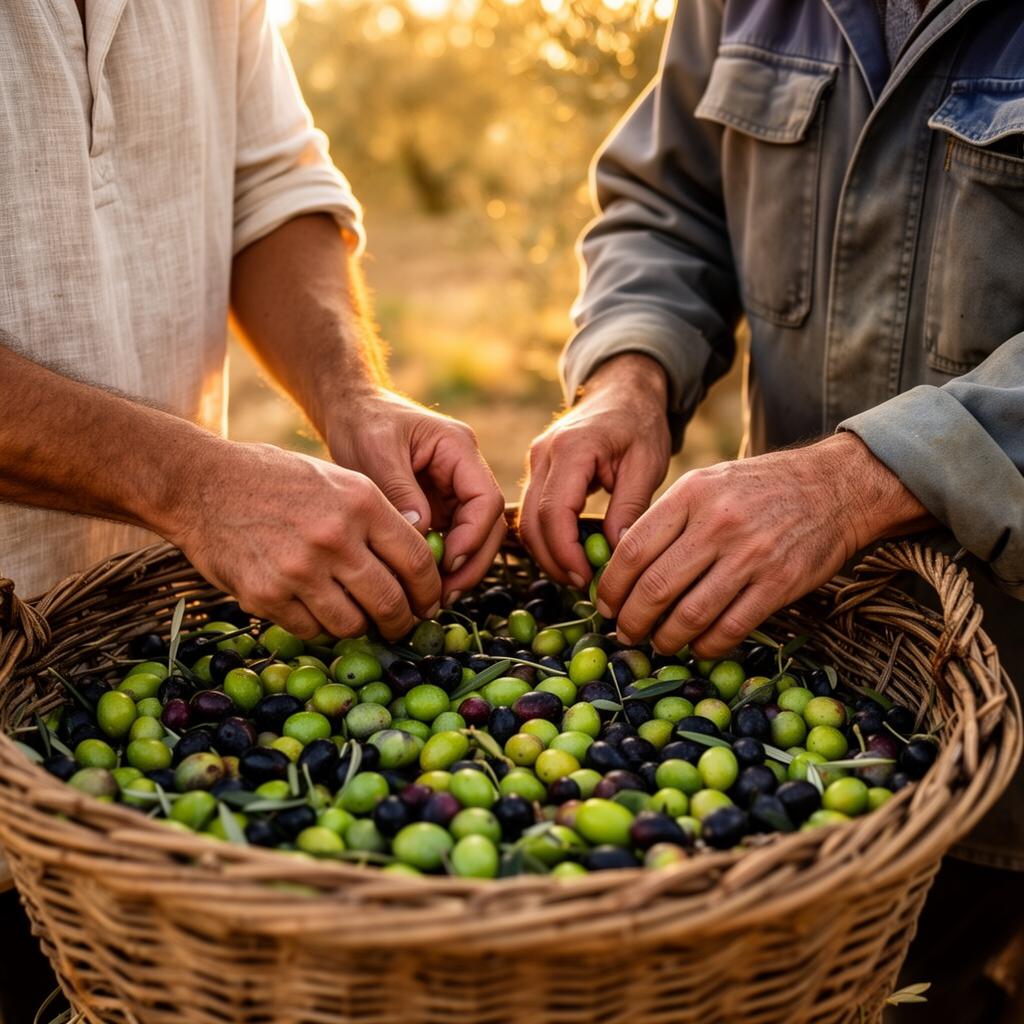
You are handed the tools, not a tasting spoon.
Most food trips watch the work happen. This one puts you inside it. You climb the nets at harvest, shape the loaves at four in the morning, turn the curd before the sun is up. The producers don't perform — they bring you into the day they would have had anyway.
By the end of the week, your hands know things your notebook never will.
Families, not brands.
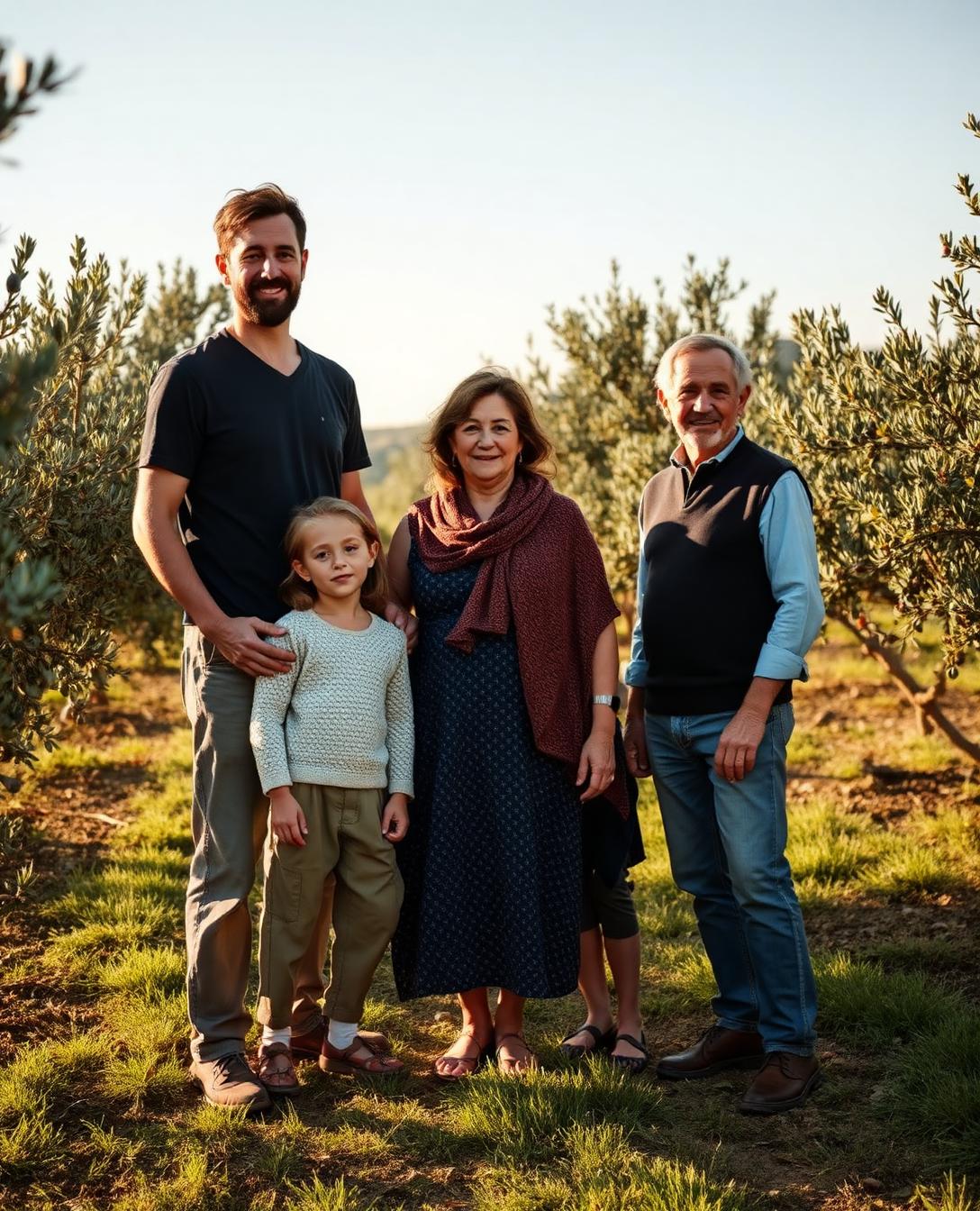
The week unfolds across working farms and family-run mills — the Creanza groves where one family has pressed oil for five generations, the stone ovens of Altamura whose bread carries a protected European designation, the dairies hidden inside a Byzantine ruin where the cheesemaker still warms the milk over wood.
None of these places appear in catalogs. Access is built one introduction at a time.
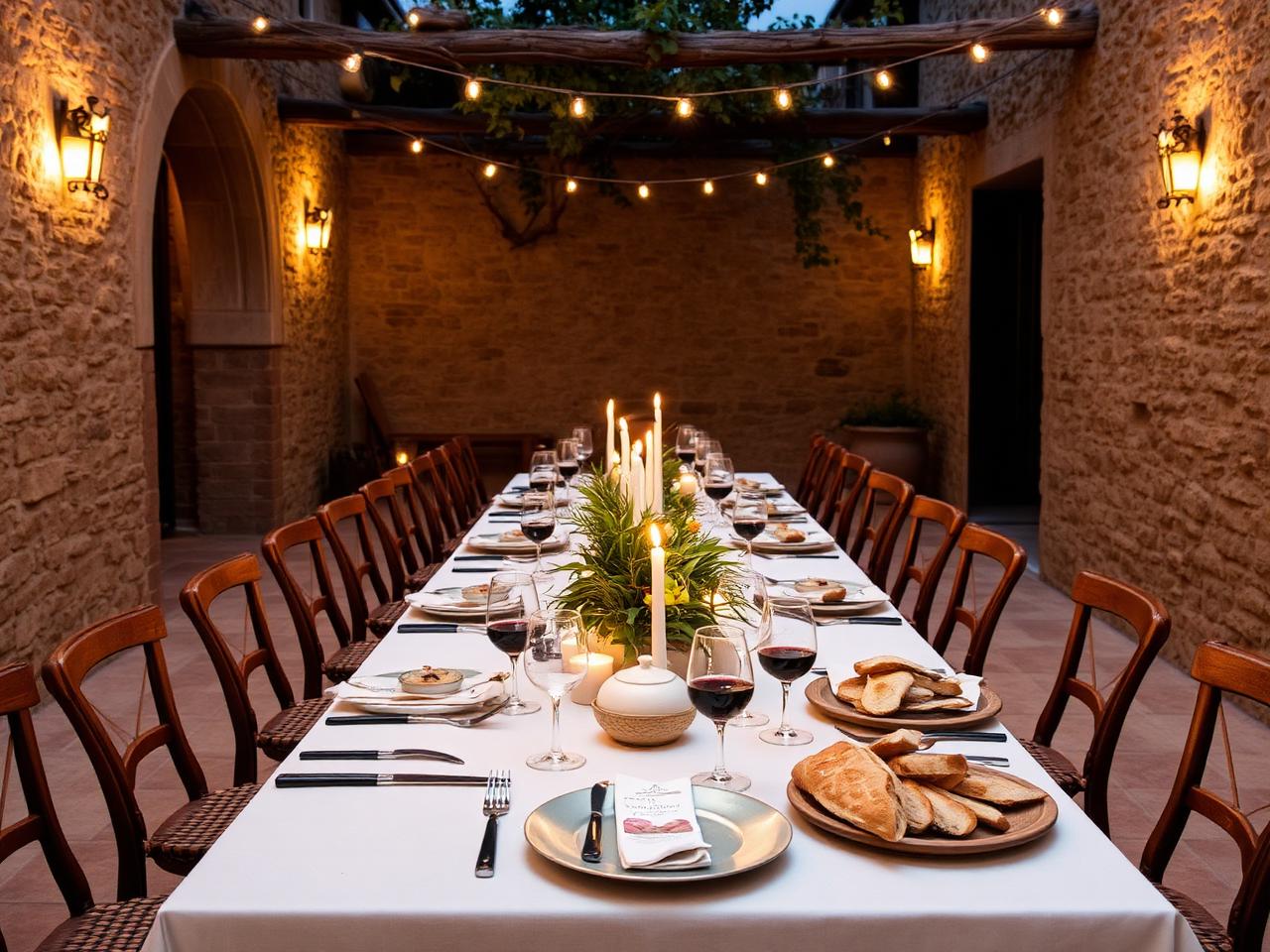
Not souvenirs. A way of seeing food.
You leave Puglia knowing how to read an olive grove, judge a loaf by its crust, recognize a true burrata by the way it tears. The bottles and tins in your suitcase are the smallest part of it.
- ·the language of a working harvest
- ·the difference between oil and olive oil
- ·techniques you can use in your own kitchen
- ·friendships with the families who fed you
- ·a private map of producers to return to
- ·a week your hands will remember
"You don't taste Puglia. You work in it."
— A previous traveler, harvest week
Back to All Journeys